
Subscribe and receive email notifications of new blog posts.
 RSS Feed
- 2026 | 9 Posts
- 2025 | 49 Posts
- 2024 | 53 Posts
- 2023 | 48 Posts
- 2022 | 48 Posts
- 2021 | 49 Posts
- 2020 | 48 Posts
- 2019 | 48 Posts
- 2018 | 28 Posts
22
End-of-Year Home Checklist for a Worry-Free Winter
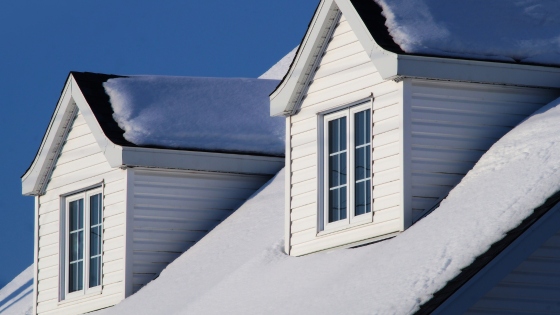
As winter weather continues across Long Island, staying vigilant about your home's condition can prevent costly emergencies and protect your property investment. Our REALTORS® suggest you check these key areas throughout the rest of the cold months to spot issues early, before they become expensive fixes.
Key Winter Checks for Homeowners
Look Out for Ice Dams on Your Roof
Ice dams form when heat from inside your home melts snow that refreezes at the edges, creating barriers that hold water. Check for icicles hanging from your gutters, ice buildup along roof edges, or water marks on the inside ceilings near outside walls. You should address ice dams right away by adding attic insulation and improving airflow, as trapped water can leak under shingles and damage walls and ceilings inside.
Keep an Eye on Your Pipes for Freezing Dangers
Look at exposed pipes in cold areas like basements, crawl spaces, and garages often during winter:
- Touch pipes in risky spots when it's cold
- Open cabinet doors below sinks when temps drop below freezing
- Allow faucets to drip a bit when it's colder than 20 degrees
Pay attention to changes in water pressure or flow that could mean ice is forming in your plumbing. Spotting partial freezes early stops full blockages that can cause pipes to burst and flood your house.
Look at Your Foundation for Freeze-Thaw Issues
As winter brings shifts between freezing and thawing, water can seep into tiny foundation cracks and grow when it turns to ice. Check your foundation each month for new cracks or widening of old ones after heavy snowfall followed by warmer weather. Keep an eye out for water collecting near your foundation during thaws, as poor drainage can cause basement moisture issues and harm the structure over time.
Watch How Your Heating System Works
Take note of your heating system's response as winter goes on and temperatures stay cold:
- See if some rooms remain cooler than others
- Listen for odd clicking, banging, or grinding sounds
- Check if it turns on and off too often
Keep an eye on your energy bills for sudden jumps that could mean your system is working too hard. When efficiency drops, it often points to growing issues that are simpler and cheaper to fix before the system breaks down.
Check for Attic Moisture and Air Flow Problems
Winter condensation in your attic can cause mold to grow, wood to rot, and insulation to be damaged. Take a look at your attic now and then for damp rafters, wet insulation, or frost on the roof's underside. Good attic airflow stops moisture from building up and helps keep roof temperatures even, which cuts down on ice dams forming throughout the winter months.
Look at Your Gutters After Every Snowfall
Snow and ice storms can pull gutters from your roof or make parts sag and break. After big snowfalls or ice storms, check around your house to spot damaged or loose gutter pieces. Fix gutter problems right away to stop water from spilling near your foundation or forming ice dangers on paths below.
Keep an Eye on Indoor Humidity All Winter
Winter heating can dry out your indoor air too much, while poor airflow can trap excess moisture in your home. Look for water drops on windows, which show humidity is too high and might cause mold to grow. Keep indoor humidity between 30 and 50 percent by using humidifiers or dehumidifiers as needed to protect your home and keep the air comfortable.
Stay Proactive This Winter Season
Keeping an eye on these crucial areas during the rest of winter helps you spot issues and shield your Long Island home from damage caused by cold weather. If you plan to check out homes for sale in Nassau County or Suffolk County homes for sale in the coming year, contact us at Howard Hanna Coach Realtors. We can talk about how taking care of your home in winter affects its value and condition over time.